The clock is ticking: Austrian companies must implement the EU Pay Transparency Directive by June 2026. What sounds like a bureaucratic obligation turns out, on closer inspection, to be a strategic opportunity – provided the issue is approached correctly.
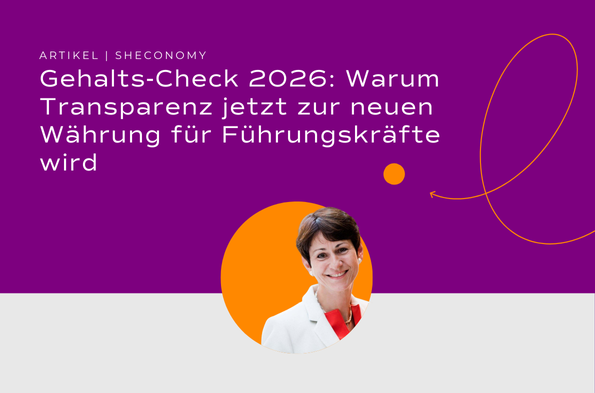
The era of "salary secrets" is drawing to a close. By June 2026, Austria must transpose the EU Pay Transparency Directive into national law. What at first glance appears to be a bureaucratic burden turns out, upon closer inspection, to be a real power tool for modern companies. Martina Ernst, FairEqual Pay expert, and Karolin Andréewitch-Wallner, employment law expert at Taylor Wessing Austria, explain why equal pay is far more than just a legal obligation. For companies, this means: take action, analyze, and prepare.
Martina Ernst, FairEqual Pay expert, sees the three greatest opportunities for managers in employee retention, cost control and planning, and the general competitive advantage gained through transparency. "Transparent criteria and processes—including in compensation—increase employee trust, reduce costs associated with unwanted turnover, and strengthen everyone's engagement, ultimately leading to increased productivity. Clear compensation processes prevent uncontrolled cost increases and create planning certainty. Managers who act in accordance with guidelines can provide comprehensible justifications for salary decisions and minimize budget risks," explains Ernst.
The new salary transparency is already having an impact on recruitment and brings objectivity to both sides. This is becoming a crucial factor, especially in times of skilled labor shortages. "Transparent compensation positions companies as attractive employers. This strengthens the employer brand and secures competitive advantages – particularly in times of skilled labor shortages," Ernst continued.
Where it gets tricky: Gender pay gap reporting
But despite all the enthusiasm for the opportunities, implementation also presents pitfalls. Karolin Andréewitch-Wallner, employment law expert at Taylor Wessing Austria, warns of challenges within gender pay gap reporting: „The EU Pay Transparency Directive poses several challenges for companies regarding reporting. The complex requirements for calculating any potential pay gap can easily lead to misleading results, and even an average gender pay gap of five percent triggers additional obligations. At the same time, the detailed publication requirements carry data protection and reputational risks. Therefore, it is more important than ever for companies to carefully prepare their data, clearly document their methodology, and communicate the results transparently,“ emphasizes Andréewitch-Wallner.
Act now instead of reacting later
The message from the two experts is clear: waiting is not an option. "By June 2026, companies must not only create transparency but also ensure equality in communication. The seminar combines legal requirements with leadership know-how – for fair compensation, strong employee retention, and a convincing employer brand," says Ernst. Andréewitch-Wallner adds: "Confront the current situation in your company now and evaluate the potential need for action in order to avoid any legal consequences and sanctions for non-compliance."„
The ARS Academy, Austria's largest private provider of professional seminars, offering around 1,200 events annually, is responding to this development with a A specialist seminar that examines both labor law and HR-related aspects. The focus is not only on the legal requirements, but also on the strategic opportunities that come with greater transparency.